Hurricane Lowell: Insurance Claim Help & Damage Guide
Monitoring Hurricane Lowell Impacts Across Hawaii

Hurricane Lowell
Last Updated: Sep 10 at 4:24 PM
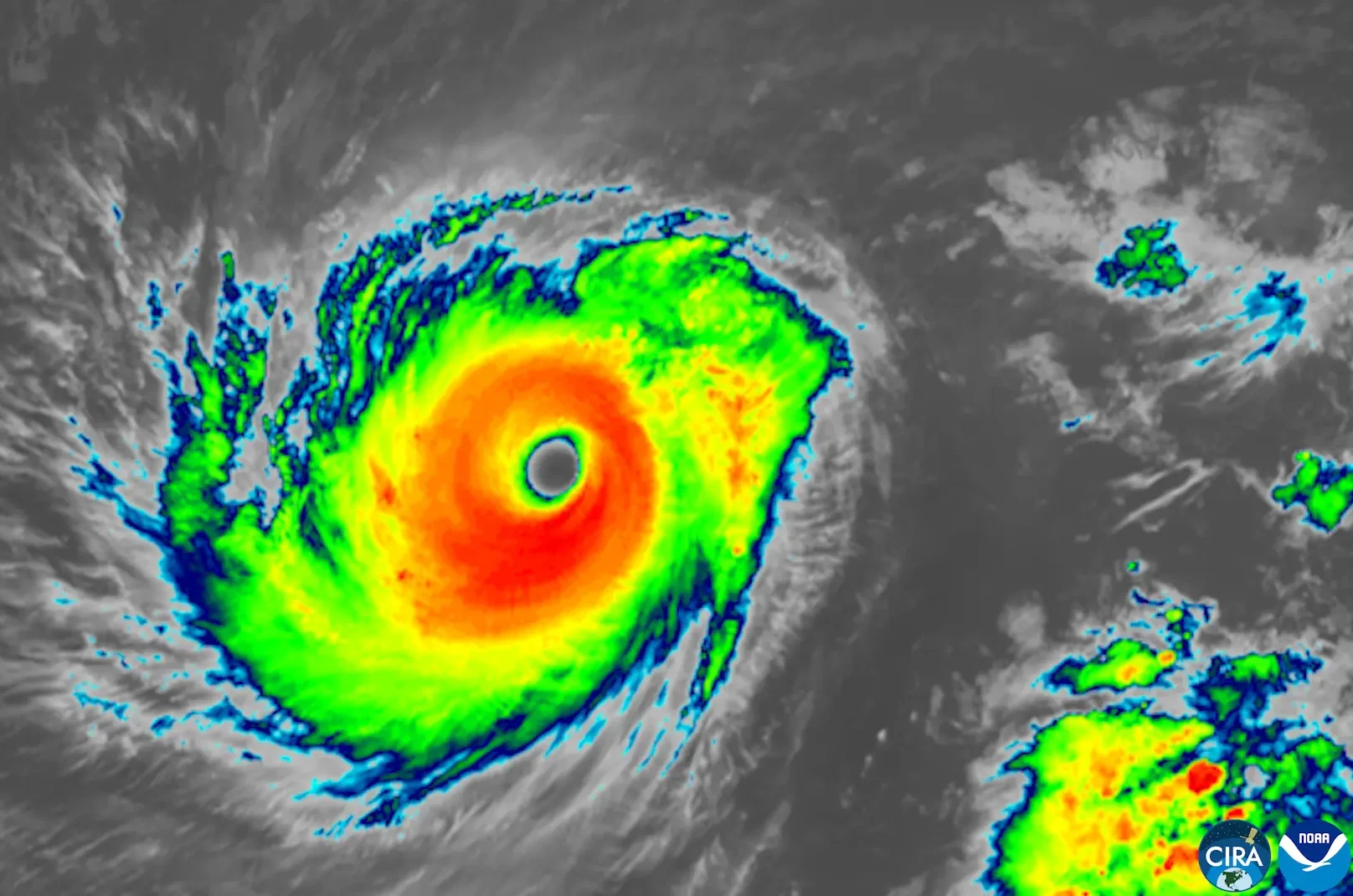
Latest Update: Hurricane Lowell's Impact Across Hawaii
Passing within 50 miles of Niihau and Kauai, Hurricane Lowell battered the Hawaiian Islands with 87 mph wind gusts, torrential rains, and destructive coastal surges. The storm knocked out power to over 90% of Kauai, closing Lihue Airport and damaging coastal properties near Poipu. Triggering the state’s first-ever Tornado Watch, Hurricane Lowell generated an estimated $400 million in structural damage across commercial resorts, multi-family condominium communities (AOAO), and residential homes statewide.
-
Kauai & Niihau: Taking the primary hit, destructive wind gusts and heavy storm surges tore up beachside roadways, snapped power lines, uplifted roofs, and triggered brown-water coastal flooding.
-
Oahu & Honolulu County: Over 30,000 customers lost power as high surf topped coastal highways and severe wind-driven rain inundated ground-floor residential units and commercial properties along the western shore.
-
Maui County & Big Island: High surf and localized flash flooding deposited heavy ocean debris onto shorelines, damaging coastal infrastructure, local resort areas, and commercial retail corridors.
Post-Landfall Claim Guidance
What to Do if Hurricane Lowell Impacted Your Property
-
Mitigate Rapid Mold & Moisture (First 24–48 Hours): Hawaii’s tropical climate and high humidity accelerate mold growth within 24 to 48 hours of water intrusion. Tarp roofs and extract standing water immediately, but photograph all waterlines and damp building materials before touch-up or removal.
-
Document Structural Damage: Capture wide and high-resolution close-up photos of tile/shingle uplift, window seal failures, solar panel array damage, and exterior stucco or coral stone cracking.
-
Log All Emergency Mitigation & Shipping Expenses: Keep itemized receipts for temporary tarps, dehumidifiers, board-ups, and generator fuel. Insurance policies may cover reasonable protective measures.
Hawaii Claims
Residential, Commercial & Resort Expertise
Commercial & Resorts
Hotels, Plazas & Hospitality
Maximize Business Interruption (BI) and lost room revenue calculations. We audit full building envelopes, structural glass failures, and flat roof membranes across resort and retail properties.
Condo Associations (AOAO)
AOAO & Multi-Family Boards
Reconcile complex HOA board master policies vs. individual unit owner claims. We handle common element roof/elevator shaft water intrusion and enforce mandatory ordinance & law code upgrades.
Residential & Estates
Homeowners & Luxury Claims
Document concealed moisture, challenge lowballed mainland labor estimates, and fight carrier miscalculations of Hawaii’s 2%–5% percentage hurricane deductibles.
Beware of These Hawaii Insurance Carrier Traps
-
The "Percentage Hurricane Deductible" Trap: Unlike mainland fixed dollar deductibles, Hawaii hurricane insurance policies typically feature a 2% to 5% percentage deductible calculated against your dwelling’s total Coverage A value—not the damage amount. Carrier adjusters often exploit this to claim your losses fall below your deductible threshold.
-
The "Mainland Estimating Software" Underpayment: Insurance company adjusters rely on standard mainland pricing databases (such as Xactimate) that routinely underestimate Hawaii’s actual costs for island freight, imported building materials, local labor shortages, and GET (General Excise Tax).
-
The "Wind-Driven Rain" Policy Exclusion Insurance adjusters frequently misclassify wind-driven rain or roof uplift damage to non-covered flood/storm surge damage to deny payout, when it is actually a storm created opening that brought on floodwaters.
-
Omitting Hawaii Ordinance & Law Building Code Upgrades: Rebuilding in Hawaii requires compliance with strict modern wind-load, hurricane tie-down, and energy code standards. Insurers routinely omit mandatory “Ordinance & Law” coverage limits from initial repair estimates.
Next Steps: Navigating Your Claim
Once the immediate danger has passed and safety measures are in place, the official insurance claim process begins. Taking the right steps after the first 48 hours can make a multi-thousand-dollar difference in your final recovery. To avoid falling victim to common insurance carrier tactics, we encourage you to call Noble before filing your claim. Our licensed experts are ready to guide you through the entire process and serve as your personal advocate during this challenging time. Don’t hesitate, reach out today!
Let us handle the insurance company for you. Fill out your details below to get started with Noble.
Did Hurricane Lowell Damage your Property?
Insurance companies work to maximize corporate profits. We work for YOU, fighting to secure you what you're owed. Contact us today for a complimentary claim review!